
In the dimly lit basements and back-alley venues, a vibrant cultural phenomenon is quietly taking shape. While mainstream music often dominates airwaves and streaming platforms, the underground music scenes are bustling with creativity and innovation, offering a fresh and raw alternative to the polished sounds of the commercial music industry. This thriving subculture is not just about the music itself but also about the experience, the community, and the shared passion that brings people together.
Emergence of Underground Soundscapes
The rise of underground music scenes can be attributed to the desire for authentic and unfiltered expression. In an age where digital production often prioritizes perfection, underground artists are embracing the imperfections that give their music a distinct character. These artists are breaking away from conventional norms and experimenting with sounds, creating unique soundscapes that challenge the status quo. Such innovation and authenticity have become the hallmarks of these thriving musical ecosystems.
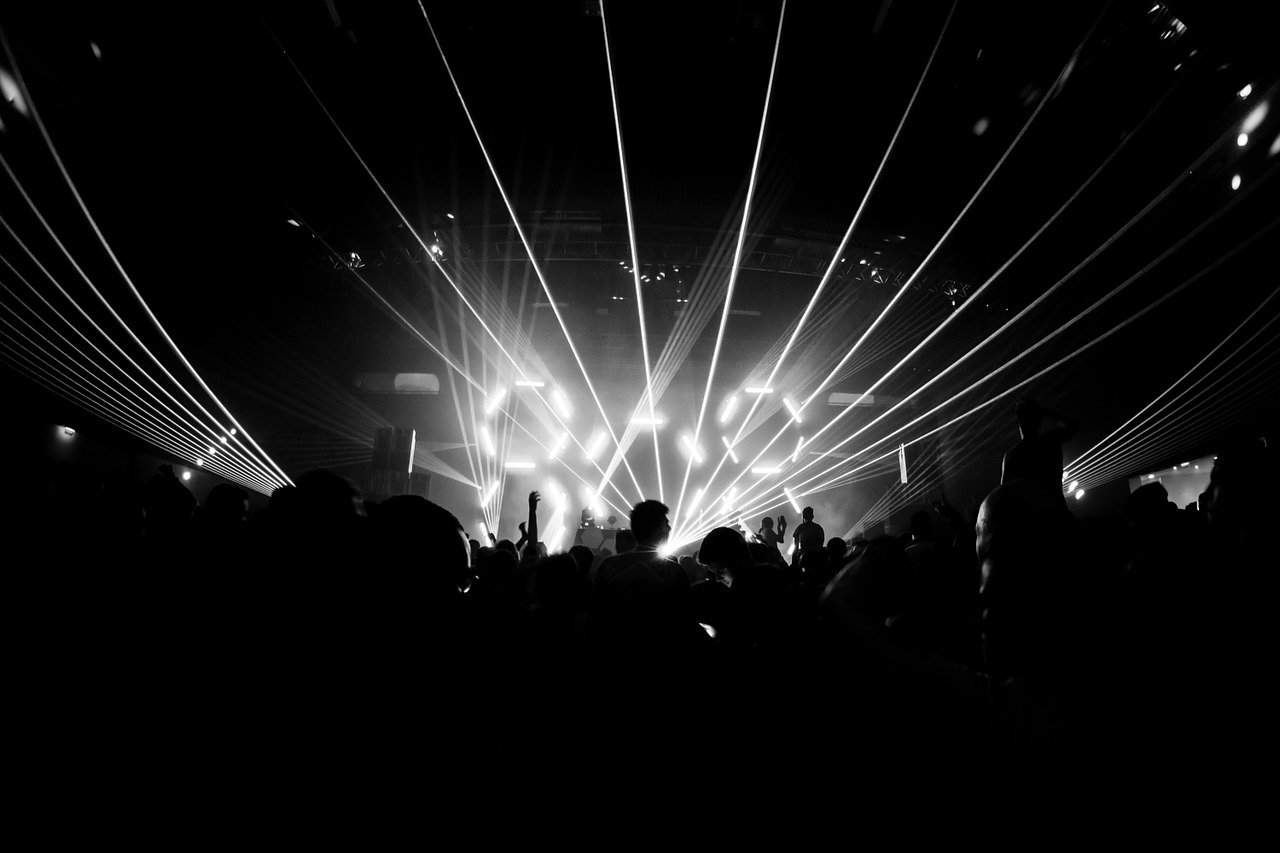
What sets underground music apart is its ability to foster a sense of community among artists and audiences alike. The shared experiences at live performances often lead to lasting connections, encouraging collaboration and creativity. In these spaces, music is not just consumed; it is lived and breathed, forming the backbone of a dynamic cultural movement.
Elements Driving the Growth
Several factors are contributing to the burgeoning underground music scenes. One significant element is the accessibility of technology, which allows artists to produce and distribute their music independently. Social media platforms and streaming services have further leveled the playing field, making it easier for artists to reach a global audience without the backing of major labels.
Another driving force is the growing audience appetite for diverse and authentic music experiences. Listeners are increasingly seeking out music that resonates on a deeper level, often turning to underground scenes to discover fresh and innovative sounds. The desire for diversity in musical experiences is fueling the demand for more niche genres and experimental styles.
Here’s a look at some of the key elements fueling the growth of these scenes :
- Technological advancements that democratize music production and distribution.
- The rise of social media and streaming platforms as promotional tools.
- An increasing audience demand for authentic and diverse musical experiences.
- Collaborative communities that support artistic innovation and experimentation.
The Impact on Culture and Community
The influence of underground music scenes extends beyond the music itself, impacting culture and community in profound ways. These scenes often become safe havens for marginalized groups, offering a platform for self-expression and empowerment. In spaces where mainstream narratives may not resonate, underground music provides a voice and a sense of belonging.
Additionally, these scenes often act as incubators for new trends and movements, influencing mainstream music and culture over time. The grassroots nature of underground music allows for experimentation and risk-taking, leading to the birth of new genres and styles that eventually permeate the broader cultural landscape. This cross-pollination between underground and mainstream music enriches the cultural tapestry.
The community aspect of underground music cannot be overstated. Events and concerts become gathering points for like-minded individuals, fostering a sense of unity and shared purpose. The relationships formed within these communities often transcend music, leading to collaborations in other creative fields such as art, fashion, and film.
Future Prospects
As underground music scenes continue to flourish, their future looks promising. The accessibility of technology and the changing dynamics of the music industry suggest that these scenes will remain an integral part of the cultural fabric. Artists are likely to continue pushing boundaries and challenging norms, leading to even more innovative and diverse musical expressions.
In a world where homogenization often threatens artistic diversity, underground music scenes represent a beacon of hope for those seeking authenticity and originality. Their significance lies not just in the music they produce but in the communities they build and the cultural conversations they inspire.
These scenes will likely continue to evolve and adapt, responding to the needs and desires of both artists and audiences. The spirit of experimentation and community will remain at the heart of these movements, ensuring that underground music remains a vital and dynamic force in the world of soundscapes.